After understanding what Peppol is and how it works from a technical perspective, most companies come to the question:What specifically should we do to be ready? Slovakia is moving towards mandatory electronic invoicing (from January 1, 2027) and for businesses it will not just be a legislative change, but a real change in accounting, IT systems and document flow.
1. Data is more important than paper
The key is to find out if your system isI am able to work with structured data The future belongs to XML formats according to the standard IN 16931 or Peppol BIS Billing 3.0 But The document will no longer be a readable document (PDF), but a data report that systems will process without manual intervention.
Expert tip: If your ERP system (SAP, Odoo, Pohoda) does not natively support export to Peppol XML, the solution is to integrate it into the platform. Fitek Hub It works as an intelligent converter (middleware) that transforms, validates, and securely sends your data.
2. The role of the “digital postman”
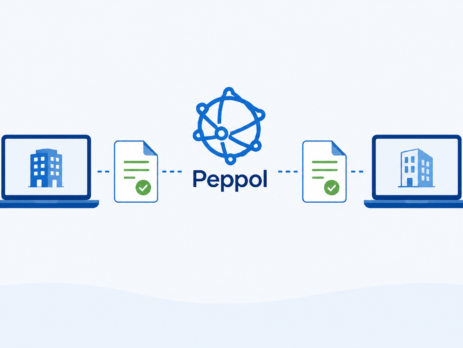
Instead of emails, invoices will be sent via the Peppol network. This is where the so-called digital postman– a certified provider that will ensure transformation and delivery.Fitek in Slovakia has already initiated accreditation as a Digital Postman at the Ministry of Finance of the Slovak Republic. Thanks to partnerships with global leaders (Maventa, OpenText) and experience with the Polish system KSeF or the Baltic markets, Fitek can ensure a smooth transition to e-invoices not only at home but also abroad.
3. Integration in practice
The connection of your system with Peppol via Fitek is done through modern API interface or file exchange.
- Sending:The invoice is created in ERP, sent to Fitek Hub, which converts it to XML and delivers it to the partner or reports it to IS FOUR (Financial report).
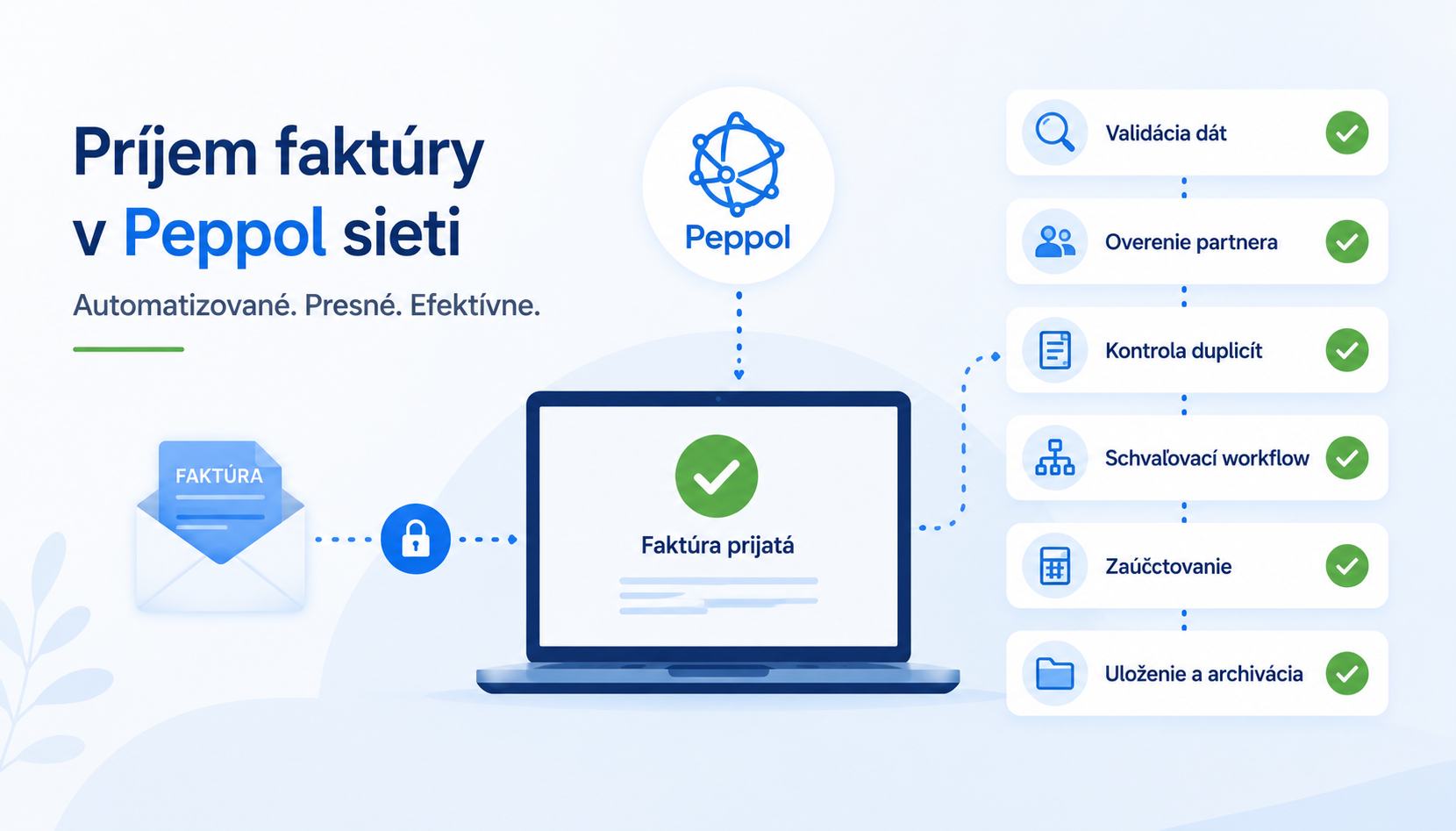
- Income:The incoming XML invoice is validated in Fitek Hub, goes through your approval process (workflow) and is then automatically posted to your system.
4. Performance that won’t stop you
Companies often underestimate the volume of processing. With thousands of invoices per month, a regular server is no longer enough. The solution from Fitek is built on a synchronous microservice architecture in the AWS cloud, which allows horizontal scaling.
Practical example:While single-node processing of large batches (75,000+ invoices) can take hours, a cloud system with parallel processing dramatically reduces this time, which is crucial for enterprise clients (e.g. telecommunications operators).
5. Safety first
Electronic invoicing deals with sensitive data.Fitek guarantees data storage exclusively within the EU(primarily AWS Frankfurt). The entire solution is certified according to ISO 27001:2022, uses AES-256 encryption and the so-called immutable audit logs (Object Lock), which ensure 100% traceability of each operation for audit purposes.
7 steps to successful preparation:
- System audit: Can your ERP export/import XML?
- Formats: Does your system support Peppol BIS 3.0?
- Partner selection: Choose a verified operator like Fitek with international know-how.
- Integration: Set up API connectors for automated data flow.
- Testing: Try the process in a sandbox (testing) environment.
- Compliance: Ensure a 10-year archiving period for documents.
- Training: Prepare your team for a new, more efficient way of working.
Conclusion: Don’t wait until the last minute
Implementation is not a matter of days, and months. The biggest mistake is procrastination. Companies that start digital transformation through Fitek today, they will gain a head start, avoid the stress of legislative deadlines and immediately reduce the error rate processing invoices.
Do you want to know how to prepare your company for e-invoicing? Contact the experts at Fitek and prepare for the future of invoicing today.